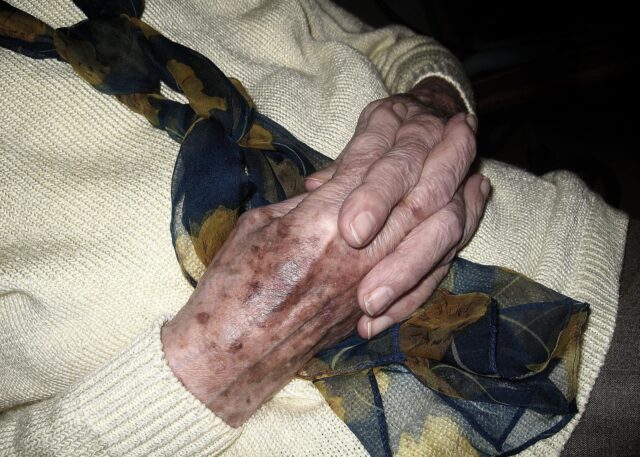


Unsure what happens to your pension when you die? Learn about beneficiaries, tax rules and why pension advice is vital for estate planning.
Many people do not realise that pensions play a major role in inheritance planning. Understanding what happens to a pension on death is essential for protecting loved ones.
This topic is increasingly searched as families become more aware of estate planning risks.
How pensions sit outside your will
Pensions usually do not form part of your estate. Instead, they are paid at the discretion of pension trustees. This makes nomination forms extremely important.
Who can receive your pension
Spouses, civil partners, children and other dependants can often receive pension benefits. The options available depend on the type of pension and age at death.
Tax implications on death
If death occurs before age 75, pensions can usually be passed on tax free. After 75, beneficiaries typically pay income tax at their own rate. These rules are often misunderstood.
Why nominations need regular review
Life changes such as marriage, divorce or children mean nomination forms should be updated. Out of date nominations can lead to unintended outcomes.
How advisers integrate pensions into estate planning
A pension adviser works alongside wills and estate planning to ensure pensions are used efficiently. This can reduce inheritance tax exposure and provide long term financial security for beneficiaries.
Why this is not a DIY decision
Mistakes in pension death planning are often discovered too late. Advice ensures the correct structures and nominations are in place while there is still time to act.